
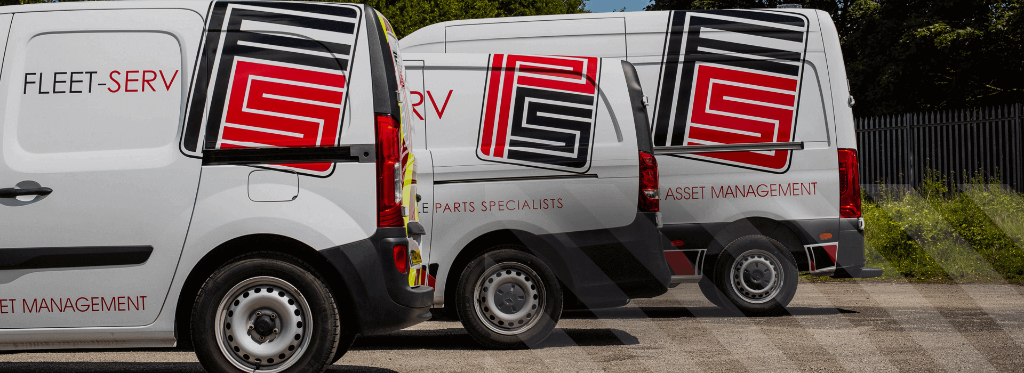
News & Insights
Stay informed with the latest from Fleet-Serv
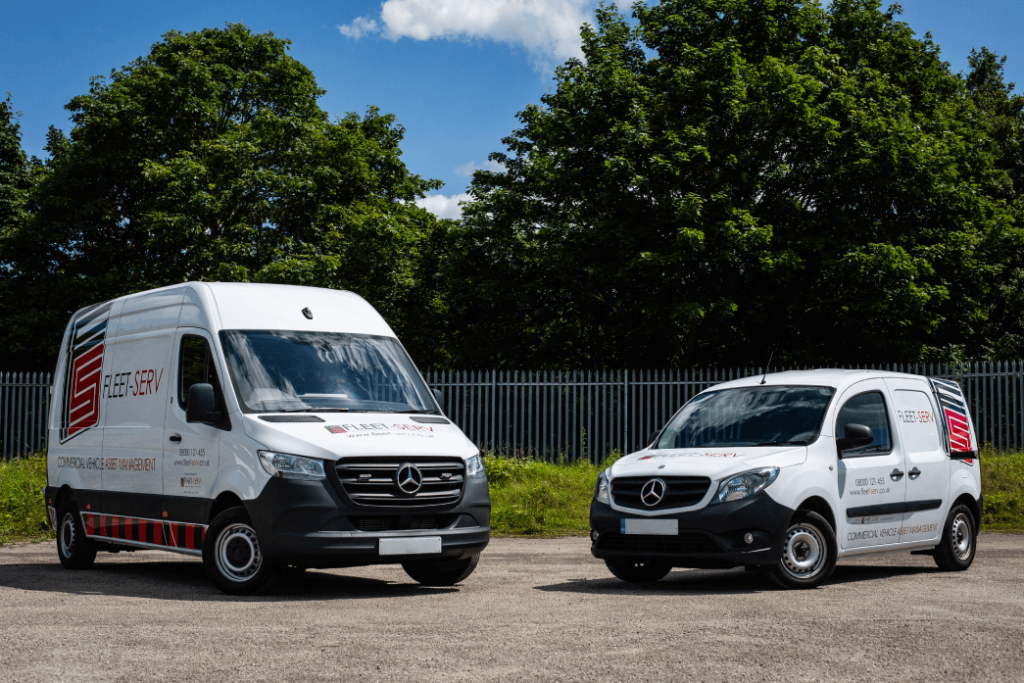
How to Maintain Fleet Compliance
Managing fleet compliance can be one of the most challenging aspects of the fleet industry. Fleet compliance is vital and comprehensive checks must be carried out regularly. What areas do you need to check to maintain fleet compliance?
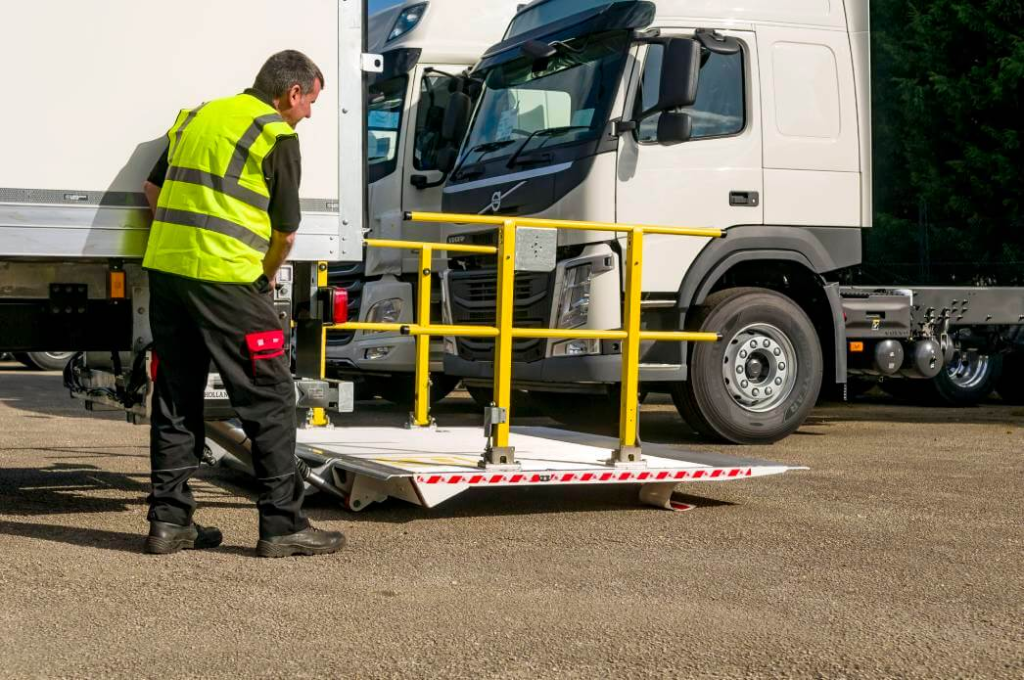
LOLER Thorough Examination Service with Fleet-Serv
Often businesses who operate or have control over lifting equipment have a statutory duty to follow LOLER regulations. In general this type of equipment is classed as work equipment therefore Provision and Use of Work Equipment Regulations (PUWER) also applies.
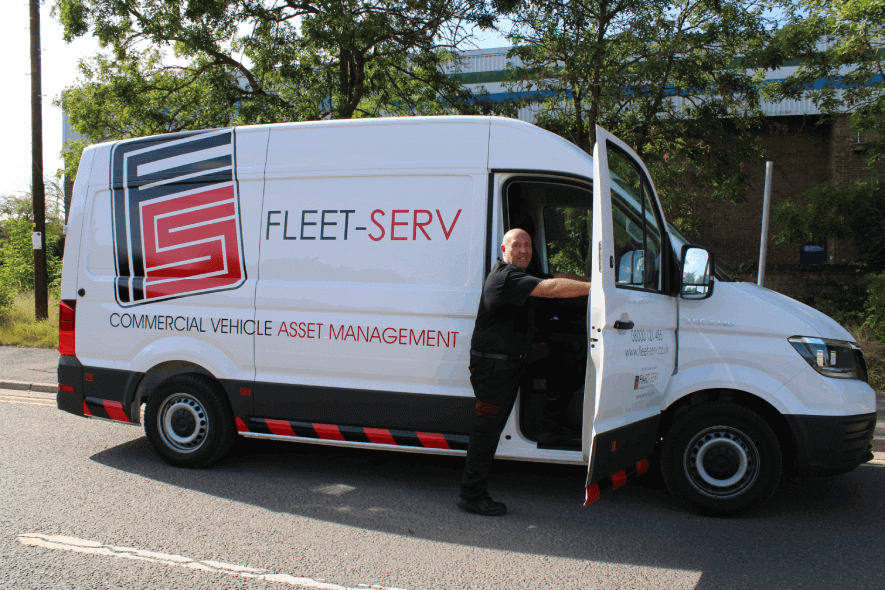
A Guide to Fleet Management
At Fleet-Serv, our Fleet Management process often consists of a combination of personal and business software systems which are used to ensure the safety compliance and efficient use of your company fleet of vehicles and trailers.
Types of Tail Lifts
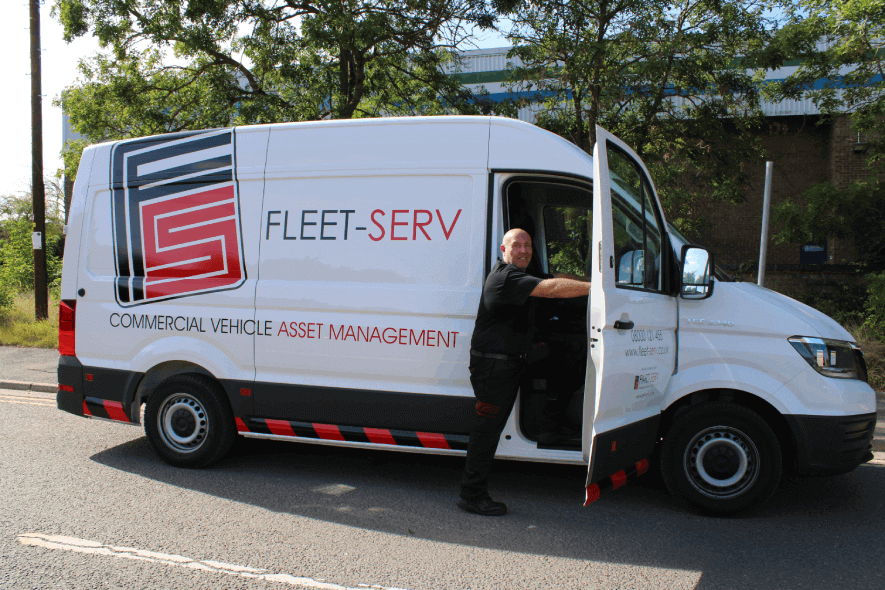
There are various types of tail lifts available on the market. The differences in lifting capacity, functionality, and operational cycle time mean that some types of tail lifts are better suited for specific uses. The 5 main types of tail lifts are: Column tail lifts, Rear frame column tail lifts, Tuckaway tail lifts, Cantilever tail lifts, and Retractable tail lifts.
5 Tips For Inspecting Ratchet Straps For Damage
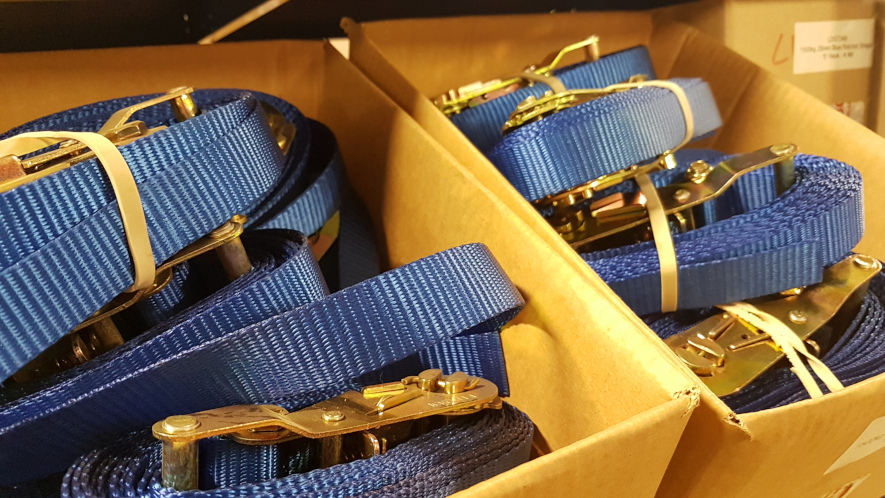
One area to check when transporting loads is ratchet straps. They are susceptible to wear and tear over time and need replacing. How do you check ratchet straps for damage and when should you replace them?
The Benefits of Fleet Services
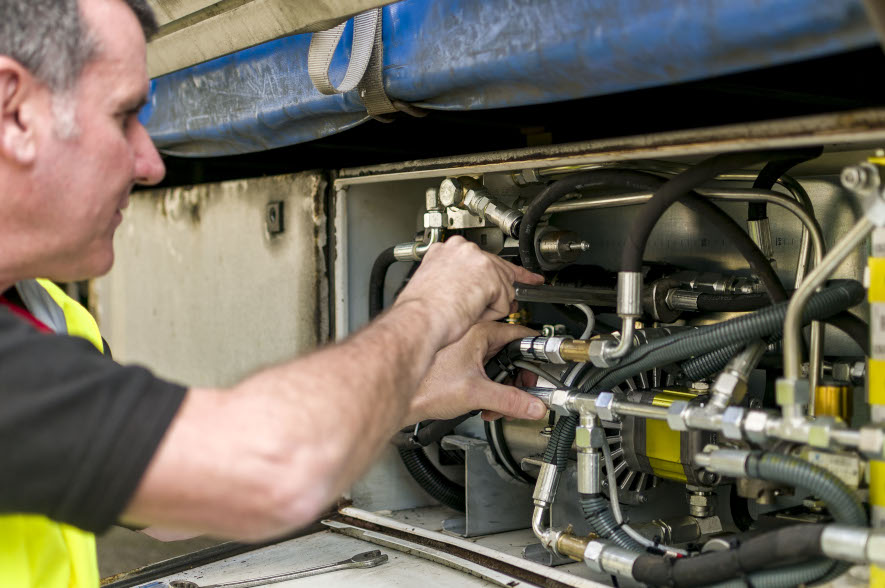
Fleet services are outsourced more and more often now within the haulage industry. By putting our team of experts in charge of running every aspect of your fleet, you are free to run your business and focus on growing your customer base. Your fleet is taken care of, giving you one less thing to worry about.
A Guide to Parts for Tail Lifts
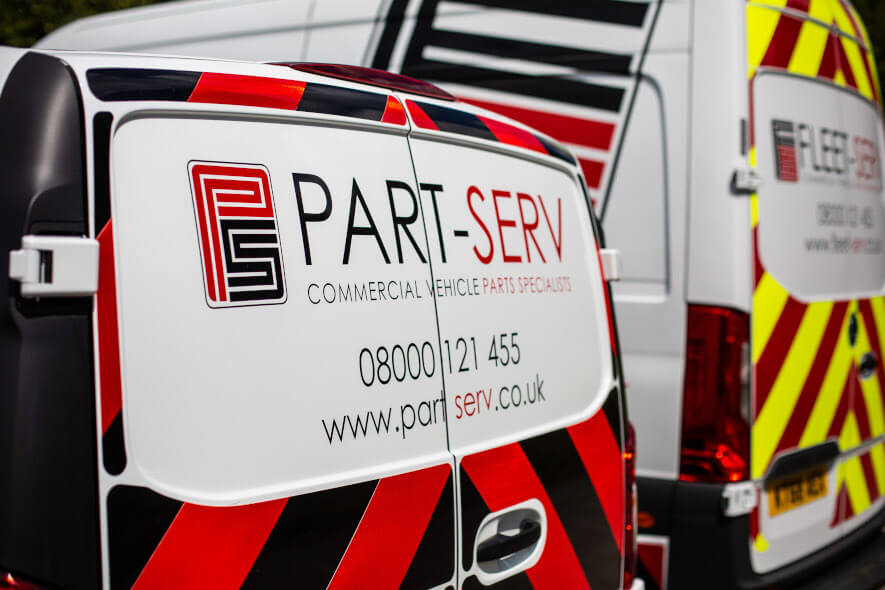
It's a legal requirement for tail lifts to be maintained on a regular basis. LOLER Examinations must be carried out every six months as a minimum to ensure your tail lifts are functioning correctly and you must conduct any preventative maintenance necessary to ensure they are in good condition.